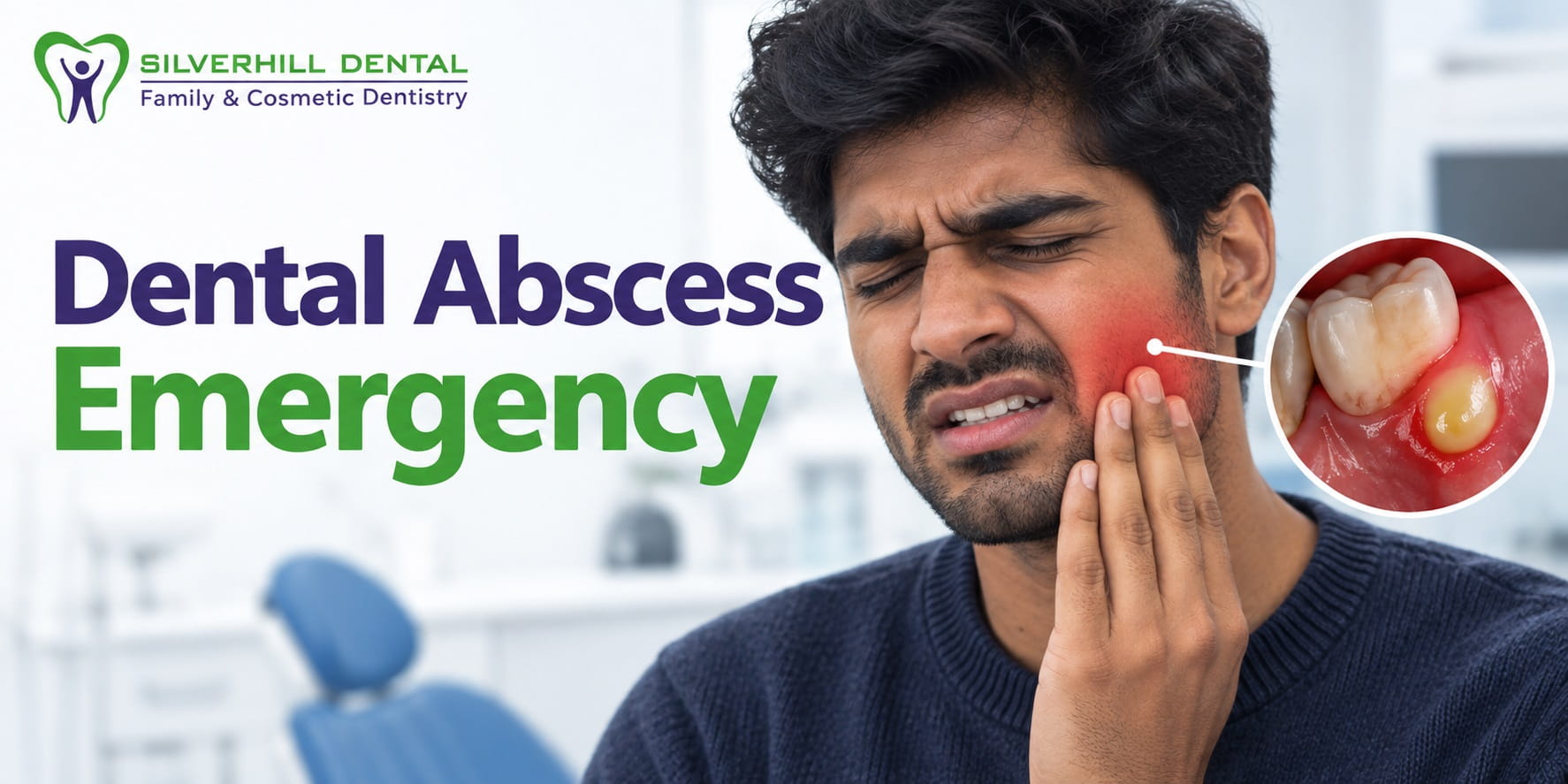
Not every toothache means that you need emergency dental care, so when is tooth pain an emergency?
When Is Tooth Pain an Emergency?
If you are experiencing a small amount of discomfort, then it just might be a temporary irritation, but if that pain is actually unbearable and isn’t going anywhere, then that can be a sign of more serious problems such as tooth decay, damage to the tooth, or even an infection.
You should also pay attention to how long your tooth pain lasts. If the pain has been sticking around for more than a day or two, keeps coming back, or doesn’t go away even after taking painkillers, then it is a good idea to contact your dentist. Waiting for the pain to disappear on its own can allow the underlying problem to get worse.
Things become even more concerning if your toothache comes with other symptoms. If you notice swelling around your tooth, gums, cheek, or jaw, develop a fever, experience pain when biting, or notice a bad taste in your mouth, you could be dealing with a dental infection or abscess. In these situations, getting dental treatment as soon as possible is important because an untreated infection can spread to other areas.
If your toothache is accompanied by severe swelling that makes it difficult to breathe, swallow, or speak, you should seek emergency medical care immediately. These symptoms can mean that the infection or swelling has spread beyond the tooth and could be affecting your airway.
So, when should you consider your situation a toothache emergency? If your pain is severe, persistent, getting worse, or accompanied by swelling, fever, or other signs of infection, don’t just try to wait it out. Contact a dentist promptly so the cause can be identified and treated before it turns into a much bigger problem.
Red-Flag Symptoms
If you are dealing with a toothache, keep an eye out for these red-flag symptoms. They can indicate that you need urgent dental or medical attention:
- Severe tooth pain: Pain that is unbearable, persistent, or does not improve with painkillers.
- Facial swelling: Swelling around your cheek, jaw, or face that continues to worsen.
- Neck swelling: Swelling that spreads toward your neck can indicate a serious infection.
- Eye swelling: Swelling around the eye requires immediate medical attention.
- Fever: A high temperature alongside tooth pain can be a sign of infection.
- Difficulty breathing: Trouble breathing can indicate that swelling is affecting your airway.
- Difficulty swallowing: Trouble swallowing may mean an infection has spread deeper into the tissues.
- Difficulty speaking: Swelling that makes it difficult to speak requires immediate attention.
- Swollen lymph nodes: Tender or enlarged lymph nodes under the jaw or in the neck can accompany an infection.
- Pain when biting: Pain or pressure when chewing can indicate an infected or damaged tooth.
- Red or swollen gums: Inflamed gums around a painful tooth may indicate infection.
- Bad taste: A foul or salty taste can occur when an abscess releases infected fluid.
- Foul breath: Persistent foul-smelling breath can accompany a dental infection.
- Persistent toothache: Pain lasting more than two days should be evaluated by a dentist.
- Uncontrolled bleeding: Bleeding that does not stop with pressure requires urgent care.
- Knocked-out tooth: A tooth that has been completely knocked out needs immediate dental treatment.
- Loose or displaced tooth: A tooth that has been pushed out of position after an injury needs urgent attention.
- Severe dental injury: A badly cracked or broken tooth may require immediate treatment.
- Broken facial bones: A suspected broken jaw or facial bone requires emergency medical care.
- Severe mouth injury: Deep cuts or serious injuries to the lips, gums, tongue, or cheeks may require emergency care.
- Difficulty opening your mouth: Significant difficulty opening your mouth can occur with serious dental infections.
- Swelling that is spreading: Rapidly increasing swelling can be a warning sign of a spreading infection.
- Fever with facial swelling: This combination can indicate a spreading dental infection and requires urgent attention.

Common Causes of Tooth Pain
Tooth pain can happen for many different reasons, and figuring out what is actually causing it is important if you want the pain to stop for good. Some causes are relatively minor, while others can lead to serious infection or permanent damage if they are left untreated.
Tooth Decay
Tooth decay is one of the most common causes of toothache. When bacteria in plaque break down sugars and starches, they produce acids that gradually damage the enamel and create a cavity. As the decay gets deeper and reaches the more sensitive layers of the tooth, you may start experiencing sharp pain, sensitivity, or pain when eating.
Dental Abscess
A dental abscess happens when bacteria infect the inside of a tooth or the surrounding gum tissue and cause a pocket of pus to form. This can lead to severe, throbbing pain that may spread toward your jaw, ear, or neck, especially when you bite or chew. An abscess will not usually go away on its own and needs prompt dental treatment.
Cracked or Broken Tooth
A cracked or broken tooth can expose the sensitive inner parts of the tooth and allow bacteria to get inside. You may notice sudden pain when biting down, sensitivity to hot or cold foods, or pain that comes and goes depending on how you use the tooth. Even a small crack can become a bigger problem if it is left untreated.
Gum Disease
Gum disease can cause pain and tenderness around your teeth, particularly when the gums become severely inflamed or infected. As gum disease progresses, the tissues and bone supporting your teeth can become damaged, which may cause swollen or bleeding gums, bad breath, tooth sensitivity, and eventually loose teeth.
Tooth Sensitivity
If you experience a sudden sharp pain when eating or drinking something hot, cold, sweet, or acidic, you may have tooth sensitivity. This can happen when enamel becomes worn down or when the gums recede and expose the more sensitive dentin underneath. Sensitivity itself is not always an emergency, but new or worsening sensitivity should be checked by a dentist.
Teeth Grinding or Clenching
Grinding or clenching your teeth, especially while sleeping, can put excessive pressure on your teeth and surrounding tissues. Over time, this can cause tooth pain, jaw soreness, increased sensitivity, worn enamel, and even cracks or other damage to the teeth.
Damaged Fillings or Crowns
A filling, crown, or other dental restoration can become cracked, loose, worn, or damaged over time. When this happens, the affected tooth may become sensitive or painful, particularly when you bite down or expose it to hot or cold temperatures. A damaged restoration can also leave the tooth vulnerable to further decay or infection.
Impacted Wisdom Teeth
Wisdom teeth can cause pain when they do not have enough room to properly emerge through the gums. This can leave the tooth partially trapped or impacted, making the surrounding area painful, swollen, or more difficult to keep clean. In some cases, bacteria can become trapped around the tooth and cause an infection.
Dental Injury or Trauma
An injury to the mouth can damage a tooth even when there is no obvious break or crack. A hard blow can injure the tooth’s inner pulp, cause inflammation, or loosen the tooth, leading to pain and sensitivity. If a tooth has been knocked, cracked, chipped, or displaced, it should be assessed by a dentist promptly.
Food or Plaque Trapped Between Teeth
Sometimes the cause of tooth pain is much simpler: food or plaque can become trapped between your teeth and irritate the surrounding gums. This can cause localized tenderness or discomfort, particularly if you already have spaces between your teeth or gum inflammation. Carefully cleaning between the teeth may help, but persistent pain should still be checked by a dentist.
Sinus Infection
A sinus infection can sometimes feel like a toothache, especially in the upper back teeth. This happens because the roots of these teeth sit very close to the maxillary sinuses, so inflammation and pressure in the sinuses can cause pain that feels like it is coming from the teeth.
Common Causes of Tooth Pain
| Cause | Summary |
|---|---|
| Tooth Decay | One of the most common causes of toothache. Bacteria produce acids that damage enamel and create cavities, leading to sharp pain, sensitivity, or pain while eating as decay reaches deeper parts of the tooth. |
| Dental Abscess | An infection that causes a pocket of pus inside the tooth or surrounding gum tissue. It may cause severe, throbbing pain that spreads to the jaw, ear, or neck. Prompt dental treatment is usually required. |
| Cracked or Broken Tooth | Cracks or breaks can expose sensitive inner tooth structures and allow bacteria to enter. Common symptoms include pain when biting and hot or cold sensitivity. Untreated cracks may worsen. |
| Gum Disease | Inflamed or infected gums can become painful and tender. More advanced disease may damage supporting tissue and bone, causing bleeding gums, bad breath, sensitivity, and loose teeth. |
| Tooth Sensitivity | Sudden, sharp pain triggered by hot, cold, sweet, or acidic foods. It can occur when enamel wears down or gums recede and expose dentin. New or worsening sensitivity should be evaluated by a dentist. |
| Teeth Grinding or Clenching | Grinding or clenching, especially during sleep, puts excessive pressure on teeth and surrounding tissues. It can cause tooth pain, jaw soreness, sensitivity, worn enamel, cracks, and other damage. |
| Damaged Fillings or Crowns | Fillings, crowns, and other restorations can crack, loosen, wear, or become damaged. This may cause pain or sensitivity and can leave the tooth vulnerable to further decay or infection. |
| Impacted Wisdom Teeth | Wisdom teeth may become trapped when there is not enough space to emerge properly. This can cause pain, swelling, difficulty cleaning the area, and sometimes infection from trapped bacteria. |
| Dental Injury or Trauma | A blow to the mouth can damage the pulp, loosen a tooth, or cause inflammation even when no obvious crack is visible. Knocked, chipped, cracked, or displaced teeth should be assessed promptly. |
| Food or Plaque Trapped Between Teeth | Trapped food or plaque can irritate the gums and cause localized tenderness or discomfort. Gentle cleaning between teeth may help, but persistent pain should be checked by a dentist. |
| Sinus Infection | Sinus inflammation can sometimes feel like a toothache, especially in the upper back teeth, because their roots are close to the maxillary sinuses. Pressure and inflammation can create tooth-like pain. |
Severe, persistent, or worsening tooth pain—especially when accompanied by
swelling, fever, difficulty swallowing, or other signs of infection—should
be evaluated promptly by a dental professional.
Get in Touch with Silverhill Dental!
What You Can Do Until You See a Dentist
These steps may provide temporary relief and help prevent symptoms from getting worse, but they do not replace proper dental treatment.
| What You Can Do | How It Helps |
|---|---|
| Rinse With Warm Salt Water | Gently rinse with warm salt water to help clean the area and reduce irritation around the painful tooth and gums. Spit it out rather than swallowing it. |
| Take Appropriate Pain Relief | Over-the-counter pain relievers such as ibuprofen or acetaminophen may help control tooth pain while waiting for dental care. Follow the product directions and use appropriate dosing. |
| Apply a Cold Compress | If there is swelling or the pain followed an injury, place a cold compress on the outside of the cheek to temporarily reduce swelling and discomfort. |
| Keep the Area Clean | Brush gently and clean between the teeth to remove food and plaque. Dental floss may help remove food trapped near the painful area. |
| Eat Soft Foods | Choose foods that require little chewing, such as yogurt or eggs, and chew on the opposite side. Avoid foods that are very hot, cold, sweet, or hard if they increase pain. |
| Protect a Damaged Tooth | Avoid biting with a cracked or chipped tooth. Dental wax can temporarily cover a sharp edge and protect your tongue or cheek. |
| Do Not Put Aspirin on Your Tooth | Never place aspirin or other pain medication directly on the tooth or gums, as this can irritate or burn the gum tissue. Pain medicine should be taken as directed. |
| Get Dental Care as Soon as Possible | Home measures only provide temporary relief and do not treat the underlying cause. Seek dental care promptly if pain persists, becomes severe, or occurs with swelling, fever, or signs of infection. |
What You Can Do Until You See a Dentist
If you cannot see a dentist immediately, there are a few things you can do to manage your symptoms and prevent the problem from getting worse. Just remember that these steps are only meant to provide temporary relief and do not replace proper dental treatment.
Rinse Your Mouth With Warm Salt Water
Rinsing your mouth with warm salt water can help clean the area and reduce irritation around the affected tooth and gums. Gently swish the solution around your mouth and spit it out rather than swallowing it.
Take Appropriate Pain Relief
Over-the-counter pain relievers such as ibuprofen or acetaminophen can help control tooth pain while you wait for your appointment. The ADA recommends NSAIDs such as ibuprofen or naproxen, alone or combined with acetaminophen, as effective first-line options for acute dental pain in adults and adolescents 12 and older when dental treatment is not immediately available.
Apply a Cold Compress
If your toothache is accompanied by swelling or was caused by an injury, place a cold compress against the outside of your cheek. This can help reduce swelling and temporarily ease the pain.
Keep the Area Clean
Gently brush your teeth and carefully clean between them to remove food and plaque that could be irritating the painful area. If food is trapped between your teeth, dental floss can sometimes remove the source of the discomfort.
Eat Soft Foods
Choose softer foods such as yogurt, eggs, or other foods that require little chewing, and try to chew on the opposite side of your mouth. Avoid foods that are extremely hot, cold, sweet, or hard if they make your pain worse.
Protect a Damaged Tooth
If your tooth has cracked or chipped, avoid biting down on that area until you can see your dentist. If a sharp edge is irritating your tongue or cheek, dental wax can temporarily cover it and protect the surrounding tissue.
Do Not Put Aspirin on Your Tooth
Do not place aspirin or other painkillers directly against your tooth or gums because they can irritate or burn the gum tissue. Pain medication should be taken as directed rather than applied directly to the painful area.
Get Dental Care as Soon as Possible
These steps can make your symptoms easier to manage, but they cannot remove the underlying cause of your toothache. If your pain continues, becomes severe, or is accompanied by swelling, fever, or other signs of infection, contact a dentist promptly instead of relying on home treatment.

How an Emergency Dentist May Help
If your tooth pain has become severe or is starting to interfere with your sleep, eating, or everyday activities, seeing a dentist promptly can help identify the cause and prevent the problem from getting worse. An emergency dentist can first examine the affected tooth, check for signs of infection or damage, and determine which treatment is most appropriate for your situation.
Examine the Tooth and Find the Cause
The first step is figuring out what is actually causing your pain. Your dentist may examine the tooth, check how it responds to pressure or temperature, and take an X-ray if needed to look for decay, infection, cracks, or an abscess that cannot be seen during a regular examination.
Relieve Severe Tooth Pain
If you are dealing with severe tooth pain, your dentist can focus on controlling the immediate problem while determining what treatment the tooth needs. Depending on the cause, this may involve treating the damaged or infected tissue, draining an abscess, repairing the tooth, or removing it if it cannot be saved.
Treat an Infection or Perform a Root Canal
If the pulp inside your tooth has become infected because of deep decay, a crack, injury, or an abscess, a root canal may be recommended to remove the infected tissue and save the tooth. The canals are cleaned, filled, and sealed to help prevent the infection from returning. If the tooth cannot be saved, extraction may be necessary instead.
Provide Urgent Treatment for a Toothache Emergency
When you have what appears to be a toothache emergency, getting professional care quickly can stop the problem from progressing and help you get back to normal sooner. If you are looking for an emergency dentist for toothache in Etobicoke, an urgent dental assessment can help determine whether you need a filling, root canal, extraction, drainage, or another form of treatment.
For patients experiencing a dental emergency in Etobicoke, prompt evaluation is especially important when pain is accompanied by swelling, fever, or other signs of infection.
Persistent or Severe Pain? Call for an Emergency Assessment
Home remedies can provide temporary relief from a toothache, but they cannot address the underlying cause of the pain. When discomfort persists or becomes more severe, having a professional team assess the problem can help prevent the issue from becoming more complicated.
At Silverhill Dental, our experienced and compassionate team provides a friendly, comfortable environment supported by modern dental technology and comprehensive treatment options, allowing us to carefully examine the source of your tooth pain and recommend the appropriate care.
If you need a Dentist in Etobicoke to help with a persistent toothache or sudden dental emergency, our team is here to provide prompt, professional care and help you get back to feeling comfortable with confidence.
Medically Reviewed by Dr. Laleh Rahmani
Frequently Asked Questions
A dental infection usually will not go away without proper treatment. Even if the pain temporarily improves, the underlying infection can remain and potentially spread, so it is important to have the tooth examined by a dentist.
Seek emergency medical care if tooth pain is accompanied by severe swelling that makes it difficult to breathe, swallow, or speak. Swelling that spreads toward the eye or neck, or other signs of a potentially serious infection, also require immediate medical attention.
Persistent tooth pain lasting more than a day or two should not be ignored. It does not necessarily mean you need emergency care, but you should contact a dentist so the cause can be identified before the problem becomes more serious.
Contact a dentist promptly, particularly if the swelling is getting worse or is accompanied by fever, severe pain, or a bad taste in your mouth. If the swelling affects your breathing, swallowing, or speaking, seek emergency medical care immediately.
Yes. A cracked or badly broken tooth can expose sensitive inner tissue and allow bacteria to enter the tooth. If the injury causes severe pain, swelling, bleeding, or significant damage, seek prompt dental care rather than waiting for it to improve on its own.
Ignoring a severe or persistent toothache can allow problems such as decay, infection, or tooth damage to become more complicated. Prompt dental assessment can identify the cause and help prevent the condition from worsening or requiring more extensive treatment.