For many people with healthy teeth and gums, a dental cleaning every six months is a common starting point. However, people with gum disease, frequent tartar buildup, a higher risk of tooth decay, or certain medical factors may need cleanings more often. Your dentist or dental hygienist can recommend a cleaning schedule based on your individual oral health needs.
Regular dental cleanings help remove plaque and tartar that brushing and flossing cannot completely eliminate. But how often should you get a dental cleaning? For many people, a cleaning every six months is a reasonable routine. However, the ideal interval depends on your oral health, history of gum disease, risk of tooth decay, and other individual factors.
Some patients may benefit from cleanings more frequently, while others may not need them as often. Your dentist or dental hygienist can recommend an interval based on your specific needs rather than relying on a one-size-fits-all schedule.

How Often Do Most People Need Cleaning?
People with healthy teeth and gums often assume they can wait longer between dental cleanings. While that may be appropriate in some cases, the decision should be based on a professional assessment rather than personal judgment alone. Factors such as plaque accumulation, cavity history, gum health, and overall oral hygiene all play a role in determining the most appropriate cleaning schedule.
Even if your mouth feels healthy and you are not experiencing discomfort, regular preventive visits can help identify small concerns before they develop into more complex issues that require additional treatment.
Dental Cleaning vs. Dental Exam: What’s the Difference
| Dental Cleaning | Dental Exam |
|---|---|
| Removes plaque and tartar from the teeth | Evaluates the teeth, gums, and overall oral health |
| May include scaling and polishing when appropriate | Looks for cavities, gum disease, and other potential concerns |
| Usually performed by a dental hygienist or other qualified dental professional | Performed by a dentist |
| Helps maintain oral hygiene and gum health | Helps identify oral health problems at an early stage |
| Focuses primarily on removing plaque and tartar buildup | May include a clinical examination and X-rays when appropriate |
Why Does Dental Cleaning Frequency Vary?
There is no universal cleaning interval that works equally well for every patient. The right schedule depends on several factors that influence how quickly plaque, tartar, tooth decay, or gum inflammation develops.

Your History of Gum Disease
Patients who have current or previous gum disease may need more frequent professional cleanings. Periodontal disease can affect the tissues and bone supporting the teeth, and controlling plaque and tartar is an important part of managing the condition.
Depending on the severity of the disease and your response to treatment, your dental team may recommend a periodontal maintenance schedule that is more frequent than routine preventive cleanings.
How Quickly Tartar Builds Up
Some people develop tartar more quickly than others. Plaque that is not removed through daily brushing and interdental cleaning can harden into tartar, which cannot be removed with a toothbrush alone. If tartar tends to build up quickly, you may benefit from more frequent professional cleanings.
If your hygienist consistently finds significant tartar buildup between appointments, you may benefit from shorter intervals between cleanings.
Cavity Risk
Your risk of tooth decay can also influence your preventive care schedule. A history of cavities, frequent sugar intake, oral hygiene habits, and other factors may lead your dentist to recommend more regular visits or additional preventive care.
Dry Mouth
Saliva helps protect your teeth by washing away food particles and supporting the natural balance of your mouth. When you have dry mouth, the risk of plaque buildup and tooth decay may increase. Your dentist may take this into account when planning your preventive dental care.
Smoking or Tobacco Use
Smoking and other tobacco use can increase the risk of gum disease and other oral health problems. If you use tobacco, your dentist may pay closer attention to your gum health and recommend preventive care based on your individual risk factors.
Braces and Orthodontic Appliances
Braces and other orthodontic appliances can make some areas of the mouth harder to clean. Plaque may collect around brackets, wires, or other components if these areas are difficult to reach. Your dental team can recommend cleaning and home-care routines that fit your orthodontic treatment.
Medical Conditions and Medications
Certain medical conditions and medications can affect oral health. For example, some medications can reduce saliva production, while certain health conditions may affect the gums or the mouth’s ability to respond to infection. Your dentist can consider these factors when determining an appropriate preventive care schedule.
Dental Restorations
Crowns, bridges, implants, and other dental restorations require regular care to keep the surrounding teeth and gums healthy. Your dentist may consider the type and condition of your restorations when assessing your cleaning needs and overall preventive care plan.
| Factor | May Affect Cleaning Frequency? | Why It Matters |
|---|---|---|
| History of Gingivitis or Periodontal Disease | Often | Higher risk of recurring gum inflammation and periodontal problems. |
| Frequent Plaque or Tartar Buildup | Often | Tartar can accumulate faster and cannot be removed with brushing alone. |
| History of Frequent Cavities | Sometimes | May indicate a higher risk of developing tooth decay. |
| Difficulty Maintaining Oral Hygiene | Sometimes | Inadequate plaque removal can lead to more buildup between visits. |
| Dry Mouth | Sometimes | Reduced saliva can increase the risk of cavities and other oral health problems. |
| Smoking or Tobacco Use | Often | Associated with an increased risk of periodontal disease. |
| Medical Conditions or Medications | Varies | Some conditions and medications can affect the health of the teeth and gums. |
| Orthodontic Appliances | Often | Braces and similar appliances can create areas where plaque is harder to remove. |
| Dental Restorations | Varies | Crowns, bridges, implants, and other restorations may require additional attention. |
How Often Do You Need a Deep Dental Cleaning?
A deep dental cleaning is not a routine preventive procedure with a fixed schedule like regular dental cleanings. Instead, it is typically recommended when a dentist or periodontist diagnoses gum disease and determines that bacteria, plaque, and tartar have accumulated below the gumline.
The need for a deep cleaning depends on your periodontal health, the depth of gum pockets, clinical findings, and other factors identified during a dental examination. Some patients may never require a deep cleaning, while others may benefit from periodontal treatment as part of managing gum disease.
After treatment, your dentist may recommend periodontal maintenance visits to help monitor gum health and reduce the risk of disease progression. The frequency of these visits varies from person to person and is based on individual clinical needs rather than a standard preventive cleaning schedule.
How Often Should Children Get Dental Cleanings?
Children often benefit from regular dental cleanings, but the right schedule can vary depending on factors such as age, oral hygiene habits, cavity risk, and overall dental health. While many children are seen every six months, some may need more frequent visits, while others may not.
Routine cleanings help remove plaque buildup, monitor tooth development, and identify potential concerns before they become more serious. During a checkup, a dentist can recommend an appropriate cleaning schedule based on your child’s individual needs. If you’re looking for ongoing preventive care, learn more about our Family Dentistry services.
What Happens If You Skip Dental Cleanings?
Skipping dental cleanings does not always cause immediate problems, but it can allow plaque to remain on the teeth for longer periods. Over time, plaque may harden into tartar, which cannot be removed through regular brushing and flossing alone.
As tartar accumulates, the gums may become irritated, leading to redness, swelling, or bleeding. For some people, this inflammation can progress and contribute to more serious gum problems if left unaddressed.
Regular cleanings also provide an opportunity for a dentist to identify concerns such as cavities, early gum disease, worn restorations, or other oral health issues before they become more complex to treat. Without routine dental visits, these problems may go unnoticed until symptoms develop.
While the effects vary from person to person, delaying professional dental cleanings can make plaque and tartar buildup more difficult to manage and reduce the chances of detecting dental problems at an early stage.

Signs you may need an earlier visit
You do not always have to wait until your next scheduled cleaning if something changes in your mouth. Certain symptoms may indicate that you should contact your dentist sooner.
Consider scheduling an earlier dental visit if you notice:
- Gums that bleed regularly when brushing or flossing
- Red, swollen, or tender gums
- Persistent bad breath or an unpleasant taste
- Increasing tartar buildup
- Tooth sensitivity that does not improve
- Loose or shifting teeth
- Receding gums
- Pain when chewing
- A toothache or persistent dental discomfort
These symptoms may indicate a dental problem that needs an examination rather than simply an earlier cleaning. For example, persistent gum bleeding may be associated with gingivitis or periodontal disease, while tooth pain can have several possible causes. An examination can help determine whether you need a routine cleaning or additional dental treatment.
Due for a Dental Cleaning in Etobicoke?
If you’re due for a dental cleaning or unsure how often you should schedule preventive care, the team at SilverHill Dental is here to help. Our Etobicoke dental office provides professional dental cleanings, comprehensive checkups, and personalized recommendations based on your oral health needs. Whether you have healthy gums or require more frequent maintenance, we can help you stay on track with the right preventive care schedule. Contact SilverHill Dental today to book your appointment and maintain a healthy, confident smile.
How to Maintain Your Teeth Between Cleanings
Professional cleanings are only one part of preventive dental care. The habits you follow at home have a significant impact on the health of your teeth and gums between appointments.
A good daily routine includes:
- Brush twice a day with fluoride toothpaste.
- Clean between your teeth daily using floss or another interdental cleaning method recommended by your dentist.
- Limit sugary foods and drinks, especially when consumed frequently throughout the day.
- Stay hydrated, particularly if you experience dry mouth.
- Avoid tobacco products, which can increase the risk of gum disease and other oral health concerns.
- Attend regular dental examinations according to your dentist’s recommendations.
Good home care can help reduce plaque buildup between appointments, but it does not replace professional dental cleanings and routine oral health assessments.
There is no single answer to the question, how often should you get a dental cleaning? While a six-month schedule works well for many people, the ideal frequency depends on your oral health, gum condition, cavity risk, and how quickly plaque and tartar accumulate.
Rather than following a standard timeline, it is best to work with your dentist to determine a schedule that matches your individual needs. Routine cleanings not only help keep your teeth and gums healthy but also provide an opportunity to detect potential issues before they become more serious.
If you are unsure whether you are due for a cleaning, scheduling a dental cleaning in Etobicoke can help you stay proactive about your oral health and receive personalized recommendations for ongoing preventive care.
Medically Reviewed by Dr. Laleh Rahmani
Frequently Asked Question
Not necessarily. Six months is a common interval for routine preventive care, but some patients may need cleanings more or less frequently depending on their oral health, tartar buildup, gum health, and risk of dental disease. Your dentist can recommend an interval based on your individual needs.
Yes. Patients who are more susceptible to tartar buildup or have a history of gum disease may benefit from more frequent professional cleanings. The appropriate frequency depends on your dental and periodontal health.
Skipping cleanings can allow tartar to accumulate and may make it harder to identify early signs of gum disease or other dental problems. Professional cleanings complement, rather than replace, daily brushing and interdental cleaning.
Yes. Even with excellent brushing and flossing, some plaque can remain in areas that are difficult to clean and eventually harden into tartar. Professional cleaning helps remove these deposits and allows your dental team to monitor your oral health.
Children often need regular dental cleanings to help prevent cavities and monitor healthy tooth development. The right schedule can vary depending on age, oral hygiene habits, and risk factors for tooth decay. During routine checkups, a dentist can assess your child’s oral health and recommend an appropriate cleaning interval.
People with gum disease may need dental cleanings more often than those with healthy gums. The recommended frequency depends on the severity of the condition, treatment history, and how well the disease is being managed. Your dentist or periodontist can determine a maintenance schedule that helps support long-term gum health.
Not necessarily. Some people with a history of gum disease, heavy tartar buildup, or other oral health concerns may benefit from professional cleanings every three months. For others, less frequent visits may be appropriate. The best schedule depends on your individual oral health needs and should be determined by a dental professional.
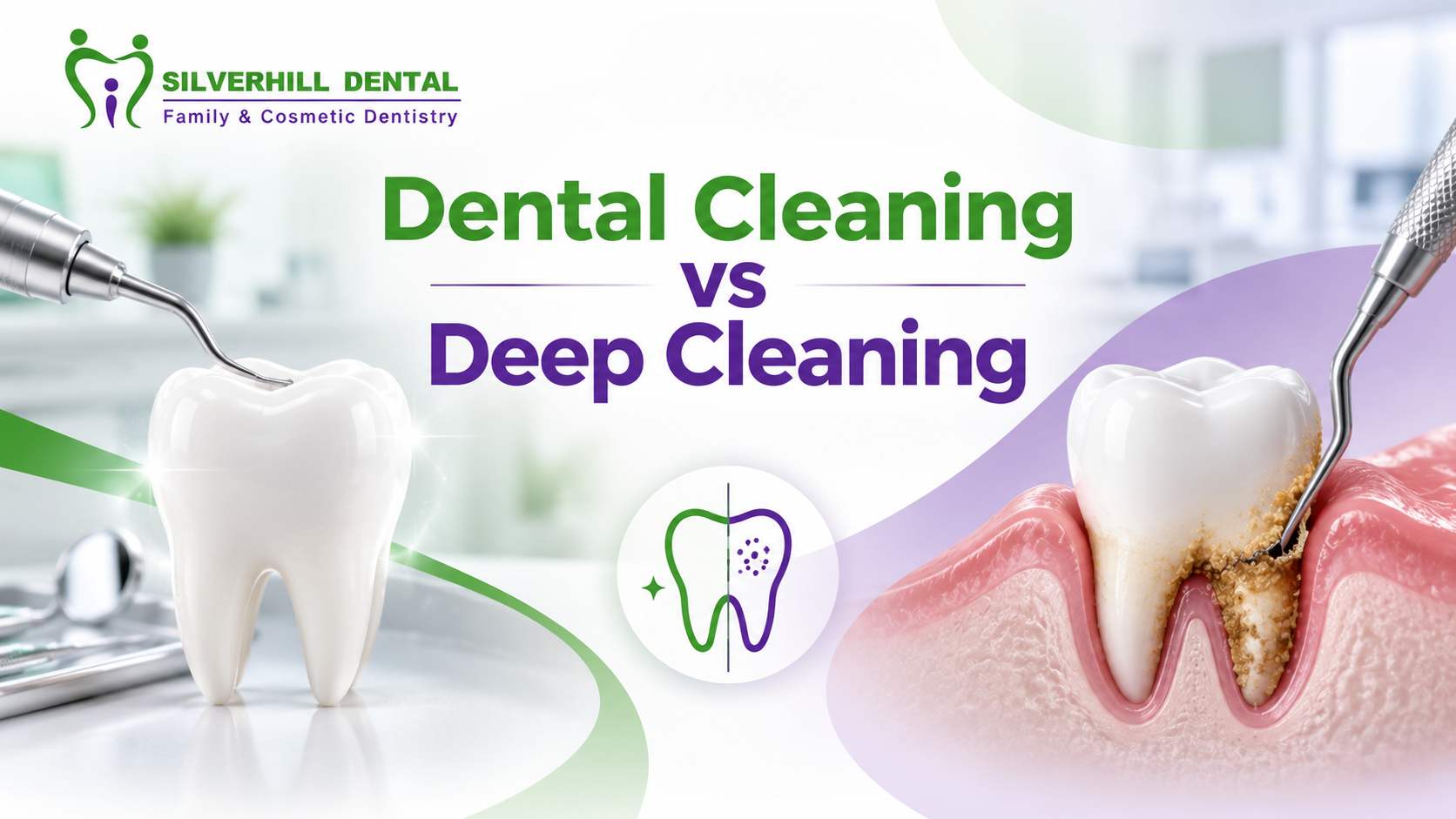
A regular dental cleaning focuses on removing plaque and tartar from the surfaces of the teeth and around the gumline. A deep cleaning, often called scaling and root planing , is a more involved procedure used to treat gum disease by cleaning below the gums and smoothing the tooth roots. Your dentist can recommend the appropriate treatment based on your gum health.