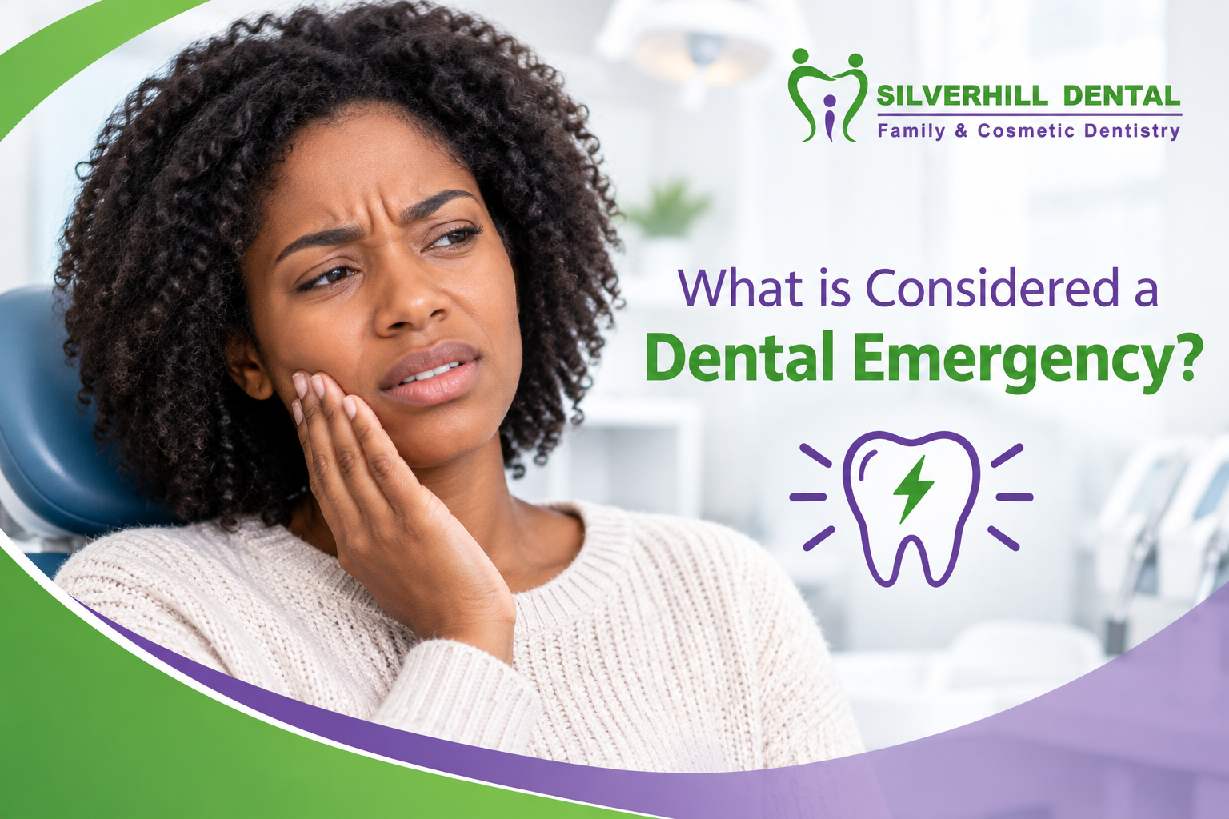
A dental emergency is generally a problem involving severe or worsening pain, uncontrolled bleeding, significant swelling or infection, a knocked-out or badly damaged tooth, or an injury that requires prompt professional care.
Difficulty breathing or swallowing, serious facial trauma, or uncontrolled bleeding may require immediate medical emergency care rather than waiting for a dental appointment.
A tooth can hurt for many reasons, but not every painful dental problem requires emergency care. If you are wondering what is considered a dental emergency, the difficult part is knowing where that line is. Some problems can wait for a scheduled visit, while others need prompt attention because delaying treatment may allow the condition to worsen. Knowing what makes a dental problem an emergency can help you seek the right level of care at the right time.
What is a Dental Emergency
A dental emergency is a dental or oral condition that needs prompt professional assessment because delaying care could lead to worsening symptoms, additional damage, or a more serious complication. The urgency depends on the nature and severity of the problem, rather than simply whether the patient is experiencing discomfort. The American Dental Association distinguishes true emergencies from other urgent dental conditions, with factors such as uncontrolled bleeding, severe pain, significant infection, and injuries that may threaten the airway requiring particularly prompt attention.
In practical terms, a Dental Emergency is generally a situation in which waiting without professional assessment could place the tooth, surrounding tissues, or the patient’s health at greater risk. A tooth that appears intact can still have significant internal injury, and an infection may become more serious even when its early symptoms seem manageable.
It is also important to understand that “emergency” and “urgent” are not always interchangeable. Some dental conditions require prompt treatment without being immediately life-threatening. Others can become medical emergencies when they involve uncontrolled bleeding, serious facial trauma, or swelling that interferes with breathing or swallowing.
The goal of emergency dental care is not simply to make the patient more comfortable. Prompt assessment allows a dentist to determine the cause of the problem, protect affected tissues, and reduce the possibility of further complications. In some situations, early treatment can also improve the likelihood of preserving a natural tooth.
Because dental symptoms can have different causes, there is no single symptom that automatically makes every case an emergency. The severity, duration, progression, and circumstances surrounding the problem all matter. A professional evaluation can provide a clearer answer than trying to diagnose the situation from symptoms alone. The context and clinical findings also help determine urgency.
With that distinction in mind, it becomes easier to understand which dental problems require urgent attention, which situations may be safely managed until a regular appointment, and when contacting an emergency dentist is the appropriate next step.
| Dental problem | Emergency? | What to do |
|---|---|---|
| Knocked-out permanent tooth | Yes | Contact a dentist immediately |
| Severe toothache | Usually urgent | Seek same-day assessment |
| Facial swelling | Yes | Contact dentist promptly |
| Difficulty breathing/swallowing | Medical emergency | Go to emergency department |
| Uncontrolled bleeding | Yes | Seek urgent care |
| Small painless chip | Usually no | Book a regular appointment |
| Lost filling without pain | Usually no | Arrange dental visit |
| Mild stable sensitivity | Usually no | Schedule assessment |

Common Types of Dental Emergencies
Common dental emergencies can happen in different ways, and the symptoms are not always the same. Some begin suddenly after an injury, while others develop gradually as a tooth or surrounding tissue becomes damaged or infected. Recognizing the nature of the problem is important because good dental care can sometimes prevent a manageable condition from becoming more complicated.
Severe Toothache
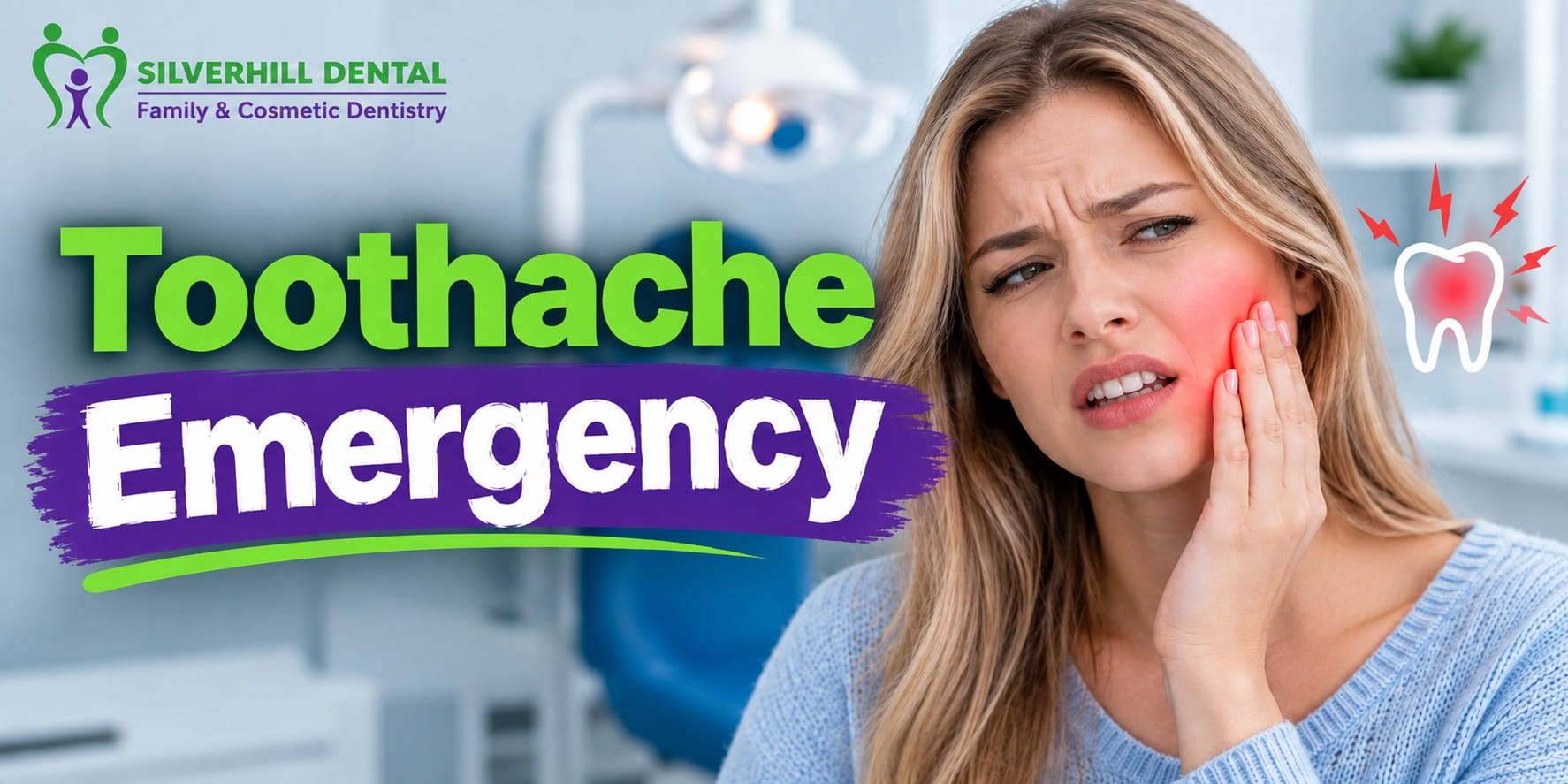
Severe or persistent tooth pain is one of the most common reasons someone may need urgent dental attention. Pain can develop when decay reaches the inner part of a tooth, when the dental pulp becomes inflamed or infected, or when a tooth has suffered significant damage. When the pulp is irreversibly affected, treatment may involve a root canal to remove the diseased tissue and preserve the tooth rather than removing it.
Dental Abscess or Infection
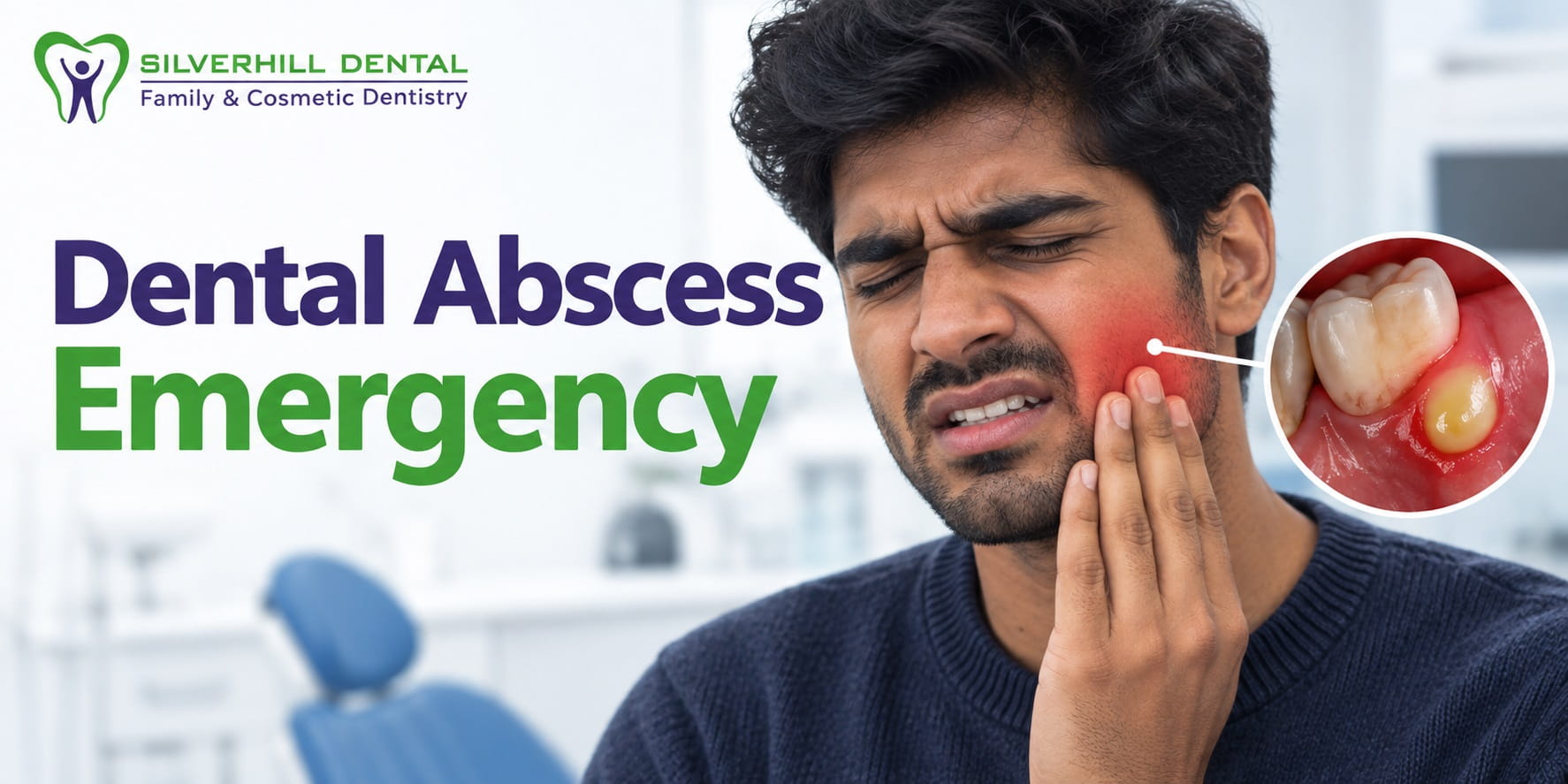
Infections can also require prompt attention, particularly when they are associated with swelling or increasing discomfort. A dental abscess is a collection of pus caused by an infection and requires treatment by a dentist. Depending on where the infection originates and the condition of the affected tooth, treatment may include drainage, root canal treatment, or extraction.
Knocked-Out Tooth
Dental trauma is another common cause of emergency visits. A strong impact can crack or fracture a tooth, loosen it, move it out of its normal position, or knock it out completely. A knocked-out permanent tooth is particularly time-sensitive. The American Dental Association recommends keeping the tooth moist and seeking dental care immediately, as prompt treatment may give the tooth a better chance of being saved.
Uncontrolled Bleeding
Bleeding can also become an emergency when it is heavy or does not stop with appropriate pressure. Likewise, significant swelling involving the mouth, jaw, or face can indicate a spreading infection and should be assessed promptly. Swelling accompanied by difficulty breathing or swallowing is especially serious and requires immediate medical attention.
While these are among the more recognized dental emergencies, the severity of symptoms and the circumstances surrounding them matter. A problem that appears relatively minor at first can sometimes involve damage that is not visible without a professional examination. For this reason, it is important to consider both what happened and how your symptoms are developing when deciding how urgently to seek care.

When Can a Dental Problem Wait
Not every problem with your teeth means you need to see an emergency dentist right away. Some dental problems are uncomfortable or inconvenient, but can safely wait until you can schedule a regular appointment. So, what counts as a dental emergency, and how can you tell the difference?
A good place to start is by looking at how severe your symptoms are and whether they are getting worse.
For example, a small chip or crack that is not causing pain may not be considered a dental emergency. You should still have it checked by your dentist, but it may not require same-day treatment. The same can be true for certain planned treatments, such as an extraction, when the tooth is not causing significant pain, swelling, or signs of an active infection.
Mild toothache can sometimes be managed temporarily while you arrange an appointment. However, that does not mean it should simply be ignored. The NHS recommends seeing a dentist if toothache lasts for more than two days, does not improve with painkillers, or is accompanied by symptoms such as pain when biting, red gums, a bad taste in the mouth, or swelling.
It is also important to pay attention to changes in your symptoms. A dental problem that seems minor at first may become more serious if the pain increases, swelling develops, or an infection begins to spread. In these situations, waiting for a routine appointment may no longer be appropriate.
On the other hand, some problems really are better suited to a regular dental visit. A minor chip, a dull toothache, or a dental concern that is stable and not causing significant symptoms can usually be assessed during normal office hours.
The key is not to judge the situation based on pain alone. Some serious dental conditions can cause relatively little discomfort, while other problems may be painful without being dangerous. What happened, how long the symptoms have been present, and whether they are changing can all help determine how quickly you should seek care.
If you are unsure, it is always reasonable to contact your dentist and explain what you are experiencing. A dental professional can help determine whether you need urgent attention or whether it is appropriate to schedule a regular appointment.
Get in Touch with Silverhill Dental!
When Should You Call an Emergency Dentist
Sometimes it is obvious that you need a dentist right away. Other times, you may find yourself wondering whether the pain or damage is really serious enough to call an emergency dentist. So, when should you make that call?
Severe tooth pain is one of the clearest reasons to seek urgent dental care, especially when it is affecting your sleep or daily activities and is not improving with pain medication. The same applies if you have a tooth that has been knocked out, badly damaged, or displaced following an injury. These situations should be assessed as soon as possible.
Swelling is another sign worth taking seriously. Swelling around the mouth, jaw, or face can be associated with a dental infection, particularly when it is getting worse or accompanied by other symptoms. If the swelling makes it difficult to breathe, swallow, or speak, however, this is no longer simply a matter of finding an emergency dentist. You should seek immediate medical attention.
The same goes for bleeding that you cannot control, as well as serious injuries to the face or jaw. These problems can require emergency medical treatment rather than waiting for a dental appointment.
If you are unsure, it is perfectly reasonable to Contact Silverhill Dental and explain what is happening. A dentist can help you determine how urgently you need to be seen.
The important thing is not to ignore symptoms simply because you are unsure whether they count as an emergency. When pain is severe, symptoms are getting worse, or an injury has significantly affected your teeth or mouth, getting professional advice promptly is the safer choice.
What to Do Before Your Appointment?
Once you have arranged an emergency dental appointment, there are a few things you can do while you wait. The right approach depends on what happened, but these simple steps can help protect your teeth and keep the situation from getting worse.
- Rinse your mouth gently with warm water to clean the area.
- Use a cold compress against the outside of your face if you have swelling or have injured your mouth.
- For a toothache, gently floss around the tooth to remove any food that may be trapped between your teeth.
- Take an appropriate over-the-counter pain reliever according to the package directions or advice from a pharmacist.
- If a permanent tooth has been knocked out, handle it by the crown, gently rinse it if dirty, and try to place it back into its socket if you can. If that is not possible, keep it moist in milk or saliva and get dental care as quickly as possible.
- If a piece of your tooth has broken off, bring it with you to your appointment. Your dentist may be able to use it when repairing the tooth.
- Avoid putting aspirin or other medication directly on your tooth or gums. This can irritate or damage the surrounding tissue rather than treating the source of the pain.
Get the Right Care When You Need It
When a dental problem feels urgent, having a professional team you can rely on can make all the difference.
If you are wondering what is considered a dental emergency, understanding when a dental problem requires urgent attention can help you seek the right care.
At Silverhill Dental, we provide a welcoming, comfortable environment where patients can receive attentive care supported by modern dental technology and well-equipped treatment facilities.
Our experienced dental team takes the time to understand your concerns, assess your condition, and provide appropriate care with your comfort and safety in mind. As a trusted Dentist in Etobicoke, we are committed to delivering professional, personalized dental care for emergencies as well as your ongoing oral health needs.
If you are experiencing dental pain, have suffered an injury, or are unsure whether your symptoms require urgent attention, do not hesitate to reach out to Silverhill Dental. Our team is here to help you understand your options, address your concerns, and get your oral health back on track with care you can feel confident in.
Medically Reviewed by Dr. Laleh Rahmani
Frequently Asked Questions
A knocked-out permanent tooth requires prompt dental attention. If possible, handle the tooth by the crown rather than the root, keep it moist, and seek dental care as soon as possible. For the best chance of saving the tooth, treatment should not be delayed.
Swelling caused by a dental infection should be assessed promptly, particularly if it is worsening or spreading. If swelling affects the throat or neck or makes it difficult to breathe, swallow, or speak, seek emergency medical care immediately.
Persistent or uncontrolled bleeding from the mouth requires urgent attention. Apply gentle, firm pressure with clean gauze or cloth while seeking professional care. If the bleeding is heavy or cannot be controlled, seek emergency medical care.
Yes. Dental infections can sometimes spread and cause significant swelling or systemic illness. Swelling that compromises breathing or swallowing, particularly around the mouth, throat, or neck, requires immediate medical attention.
Yes. Pain relief does not necessarily mean the underlying dental problem has been resolved. If tooth or mouth pain persists, arrange a dental examination so the underlying cause can be identified and treated.
Severe tooth pain that interferes with sleep or daily activities, does not improve with pain medication, or is accompanied by swelling, fever, or other concerning symptoms may require urgent dental care. Even if the pain is manageable, persistent toothache should be evaluated by a dentist rather than ignored.